Skip to content

Ngoma Safari Lodge, Botswana

Our commute from Choma to Ngoma took up most of our day.  The return trip to Livingstone was on a not-so-luxurious bus, but it does the job (we now appreciate the extra $2 equivalent for the business class fare).  We are met on arrival at the Livingstone bus depot to be taken to the border crossing at Kazungula. Our driver escorts us through customs on the Zambia side of the river and a small craft approaches from the other side to collect us.  The boat driver delivers us to another driver on the Botswana side who is taking us to Kasane airport, which is the collection point for Ngoma Safari Lodge.  We get our passports stamped and then have to wash the bottom of our shoes in a trough to sterilise against foot-and-mouth disease.  It had all sounded like a long and complicated day, but our transfer has been handled with great precision and we arrive at Ngoma around 3pm.

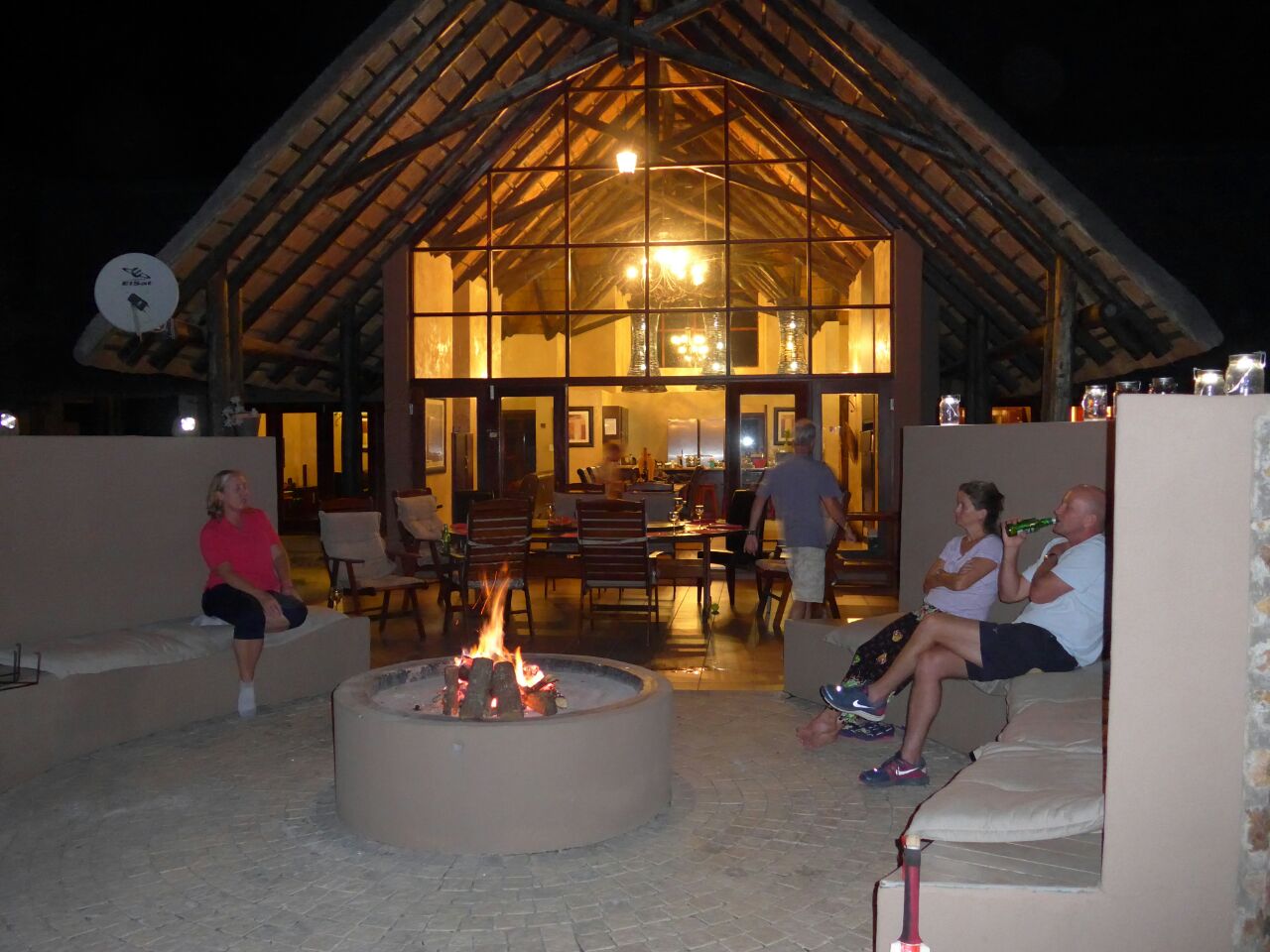
Driving on a dirt road through thick scrub, I am not seeing anything resembling a luxury safari lodge until it appears out of nowhere, unimposing on its environment. You could quickly misjudge it as simple and basic,  then through the open entrance you glimpse a dramatic view of the Chobe flood plain. We are greeted by Babs and John, the lodge managers and a number of staff. A warm welcome is accompanied by fresh towels and cool drinks.

Our stay here is indulgent and expensive (relative to our travel budget for a year), but well worth it.  There are only 8 individual bungalows on the property with no security fences.  Animals roam freely, hence we are not able to do so at night without one of the security guards.  We are in villa number one, which is adjacent to one of two natural corridors the animals use to make the evening pilgrimage to the water. Our plunge pool is apparently popular with the elephants fussy about water quality!

We have our first game drive that evening. Bevan will be our guide for our stay. He takes us down to the floodplain and the waterfront is alive with impala (of course), elephants and giraffe.  We thought we had been lucky at Black Rhino to see a couple of giraffe in the distance, now we have dozens all around us.  Watching them spread their gangly legs out to reach the minerals in the soil or take a drink, is a treat.  Bevan also shows us the lion tracks they found that morning in front of the lodge.  Our chances of seeing any cats was meant to be slim, perhaps we will get lucky!

Day two: with such a spectacular view laid out in font of us, we leave the curtains open and wake with the sunrise.  Out our window is a ‘tower’ of giraffes feeding just below us and making their way back up the corridor.  Don makes coffee (he is such a good hubby) and we rug-up to sit outside and watch them.  It is a magnificent site and one that did not repeat itself during our stay.

John comes to tells us they have spotted two lions down near the floodplain and Bevan will take us down there.  Several other vehicles are already watching a male and female lion lolling in the grass, these two are more interested in mating every 20 minutes than in the spectators.  Bevan’s knowledge of the area and expert driving skills gets us within pouncing distance – I learn this when I stand up to take a photo and the lioness responds by sitting up and staring directly at me.  Bevan quickly recommends I sit down, so I obey (the photo was well worth it)!   We sit and watch them for about 20 minutes, until they are going at it again – of course Don wants to come back in his next life as a lion!

Today is a full day drive through the park along the Chobe river for about 80kms, we will then take a water safari to see the hippo.  We view numerous birds and animals along the way, including waterhog and water buffalo, who stand on the track unconcerned by our presence. You would think that giraffes, what with their long necks, couldn’t hide, yet they seem to be able to pop out of nowhere; and of course lots of elephants, Chobe is renowned for its elephants.

On the river we are spoiled by the number of hippopotamus (did you know a group of hippo is called a ‘crash’?).  You should never get between a hippo and water, as it will charge you – hippo are one of the biggest killers in Africa.  One hippo, standing on the bank gets a bit feisty with us, roaring angrily. It starts heading out towards us and Bevan backs the boat out of its reach.  We see elephants wading out in the water to feast on the rich grasses and alligators baking in the sun. The bird life is plentiful and the contrasting scenery from the water is well worth the trip.

Day three: Much to the surprise of our hosts, we decline a morning drive and declare today a rest day.  We make full use of our luxury surroundings, lazing around, catching up on emails and making use of our private plunge pool.  In the afternoon Bevan takes us back to the river for ‘sundowners’. We watch the giraffe and elephant make their way down to the water and also see a lone sable antelope milling around.  We watch the glorious sunset as we sip our rosé and nibble on biltong (African dried beef) – a perfect end to the day.

If you are thinking about coming to Africa we can’t recommend more highly staying at http://www.ngomasafarilodge.com/


Choma, Zambia

Alison has recommended we get the local bus out to Choma, only as we are departing Joburg does she add that she has herself, never taken the bus!  I have images of being squashed into some rust bucket, packed to the rafters with people, chickens and various other animals, so it was a nice surprise when a modern airconditioned coach arrives.  Our business class fare also includes a bottle of water and biscuit! The Becketts farm is named after the Momba bird and the family have been farming here since 1924 when Mike’s Dad started the farm.  On the 10,000 hectares (or was it acres) the primary farming is beef, lamb, dairy and tobacco.   In addition, the property also has a polo field and primary school where about 100 of the resident workers send their children. We spend two days in the lovely company of Gill and Mike who took the time to share their history with us and show us ‘city slickers’ what sort of time and effort goes into running such an operation.  I also got lots of stories about Alison and her misspent youth (just joking, Alison was a perfect child). The three pet dogs are Super, Amber and Karo (spell?), Super isn’t up to much of a walk but Karo and Amber are untiring.   Karo is ducking under fences chasing baboons and bounces through the long grass like a Kangaroo. We were walking through a paddock filled with sheep and she can’t help but chase them. Then she spots a chicken and off she went! I was sure that it was going to be our dinner, but it somehow got away. Mike took us on a tour of the tobacco production.  It was an eye opener into the intense manual processes that go into tobacco farming from growing, picking, drying, grading, packing and selling at the tobacco sales in Lusaka.  The cost of labour is again a significant component into the viability of production in Zambia. Mike and Gill drive us into Choma to get our bus back to Livingston, we took the ‘scenic’ route through the haphazard markets, a maze of stalls winding through dusty streets, selling everything from clothes to plumbing supplies. We have truly enjoyed the opportunity to get off the tourist route and glimpse an insight into how people live in this part of the world. Alison, Mike and Gill, we are very grateful to you for opening up your home and your wonderful hospitality.

Victoria Falls

Wandering through the grounds of the Royal Livingston we stumble on a herd of Impala ( better check if the collective noun for Impala is a herd, maybe its an impasse!).  One cute adorable impala takes a particular interest in us, whilst the rest just keep on grazing, but she starts heading our way, I’m thinking how friendly, being in the grounds of the hotel they must be so used to people until I see the even more adorable baby (need to check on that correct term).  We realise that this Impala is making a stand to protect her young, not sure what her attack strategy would be, but we are not willing to hang around to find out, Don has to make a bit of a scene to scare her off and even then she stood firm and watched us scurry quickly down the path.  Around the corner we run straight into some Zebra grazing alongside a gaggle of Geese and right next to them are two Giraffe.  After spending four days at Black Rhino desperately hoping to spot a Giraffe in the distance, or see a Zebra, we are suddenly standing just feet away.  Whilst wonderful to be up close and personal I feel like I am in a Zoo, as 50m away is a manicured lawn and barman waiting to pour me a G&T!  I now really appreciate seeing them in their natural environment so much more.

We headed into Livingston and the bus drops us off at the craft markets (which has tourist trap written all over it). We then stroll through town, heading for the local bus depot to purchase tickets to Choma the following day. Walking down the dusty streets we see people selling everything from mobile phones, clothing and fruit and vegetables; it is the hustle and bustle of a real town going about its business.

The afternoon activity is the highlight so far – we took a microlight flight over Victoria Falls (thanks Mark and Irena for the recommendation).  It is incredible to see the falls so close and from above.  Circling the falls and then back up the river you fly low enough to see Elephants grazing and Hippos lazing in the water.  Occasionally, a Hippo or Elephant misjudges its swimming ability and takes a dive off the edge of the falls. Oops!


Black Rhino

Black Rhino Game Reserve is about a 2hr drive north-west of Joburg, next door to Sun City, which was very distressing for Don; to be so close to a golf course, yet not able play and add it to his list, was a tease!

Alison drove us up to Black Rhino, along with Jayden and Niven (a school friend of Jayden’s) and we arrived early Thursday evening.

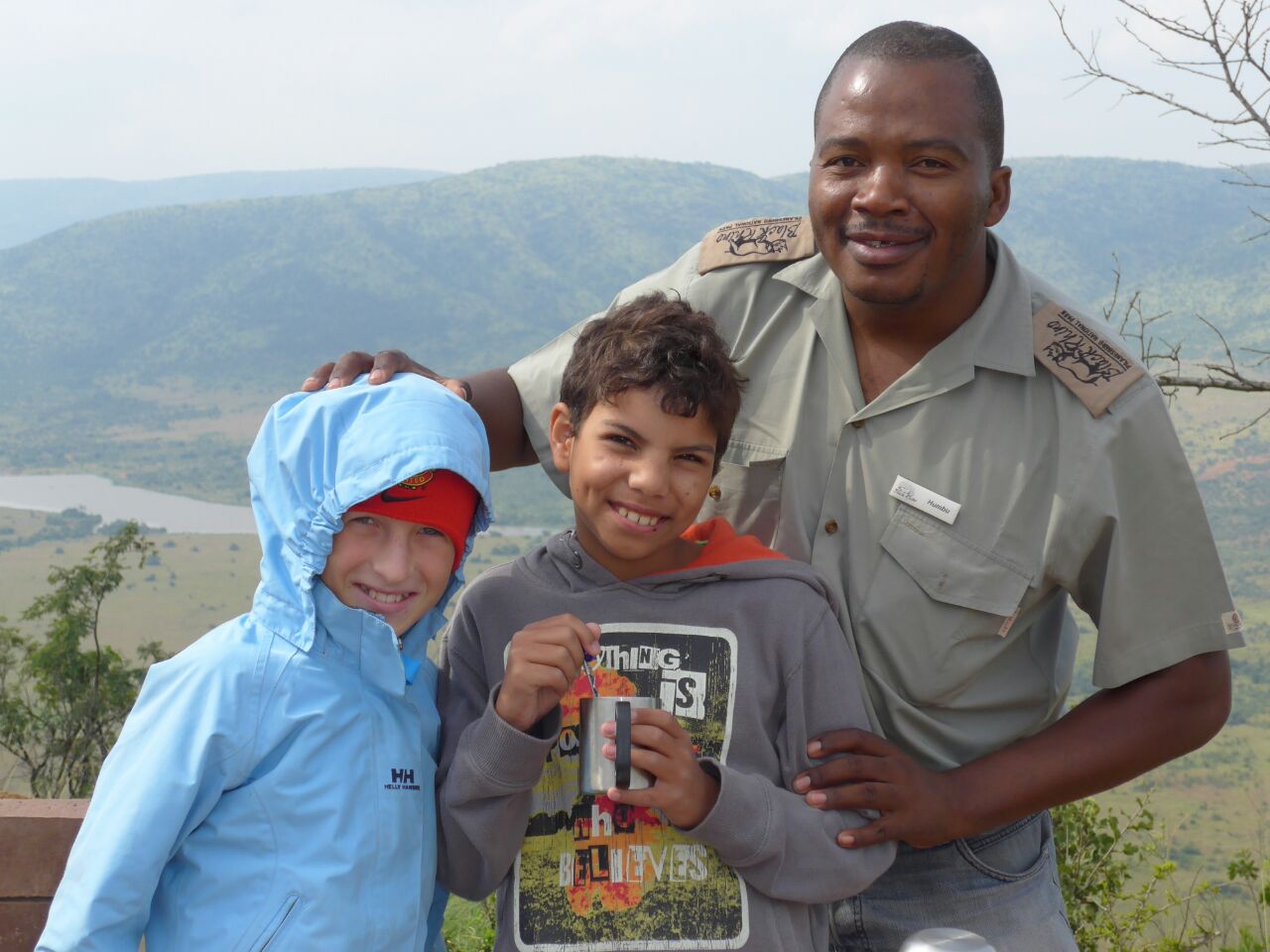
Humbu, our guide for the weekend helped unpack and got a fire started for us to relax by. We cooked dinner and Mark joined us later, driving up after work (for anyone who does bother to read this, it’s OK to skip a bit, this is even sounding boring to me).

Our first Safari drive was Friday morning, piling into the purpose built land rover. Now, our expectations had been set pretty low; we knew that this is the end of the wet season, and there is plenty of water around, so animals are spread out over the Pilanesberg National Park and Black Rhino reserve.

The grasses are also still high, so spotting animals can be difficult. We could drive around all morning and see nothing.

As soon as we turned out of our compound (our accommodation was encircled by an electric fence to keep unwanted visitors out) and onto the dirt track, we have a herd of Impala grazing by the side of the road, indifferent to our presence.

Impala are nick-named the ‘McDonalds of the bush’, as they are seen so regularly. Well at least we have seen something, it was a good omen for not just the morning, but our entire stay.

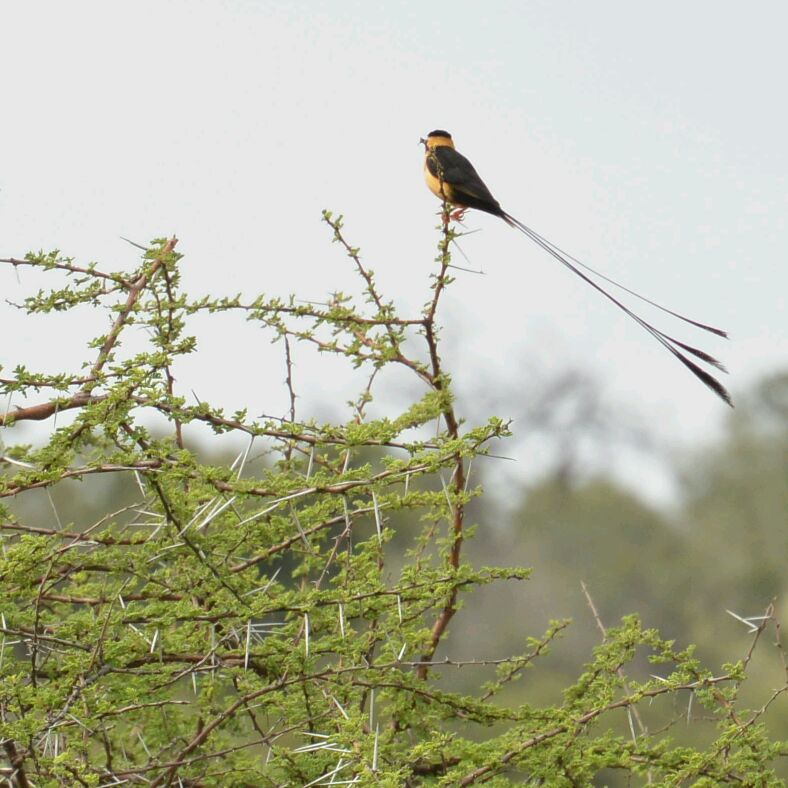
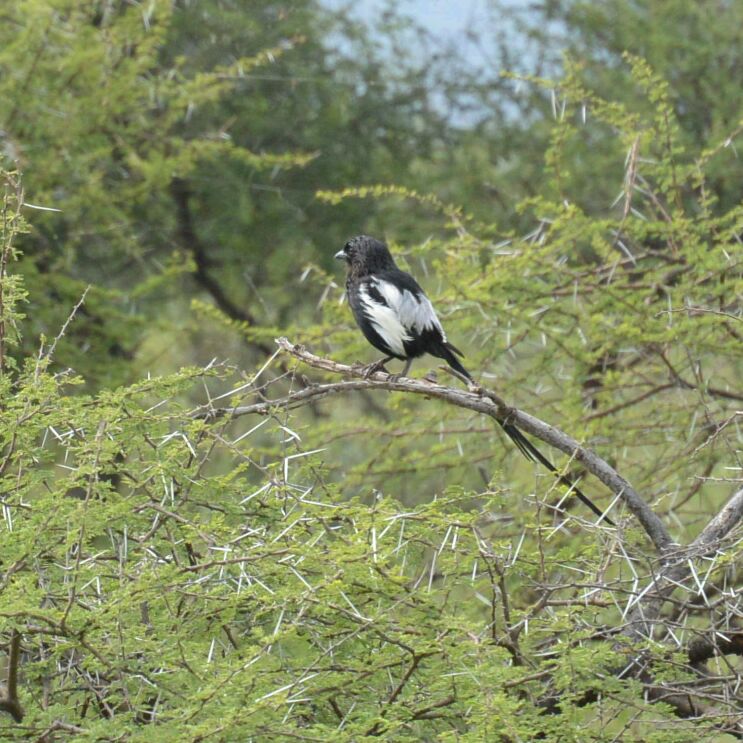
The Brown’s are bird fans and throughout the morning Alison and Jayden are prattling off bird names and mimicking bird calls. Neither of us have been into birds, but they open our eyes to the large number of varieties and remarkable sounds that bring the bush to life.

Their enthusiasm is contagious, plus they make for great photo’s with vibrant colours contrasting against the dull greens and browns of the bush.

Don’t fear, I haven’t run off and bought a bird book or binoculars just yet, but you have to appreciate everything in the bush and birds are a common companion to most animals, hitching a lift on their backs, in return cleaning out ears and pecking off fleas, mites and other parasites.

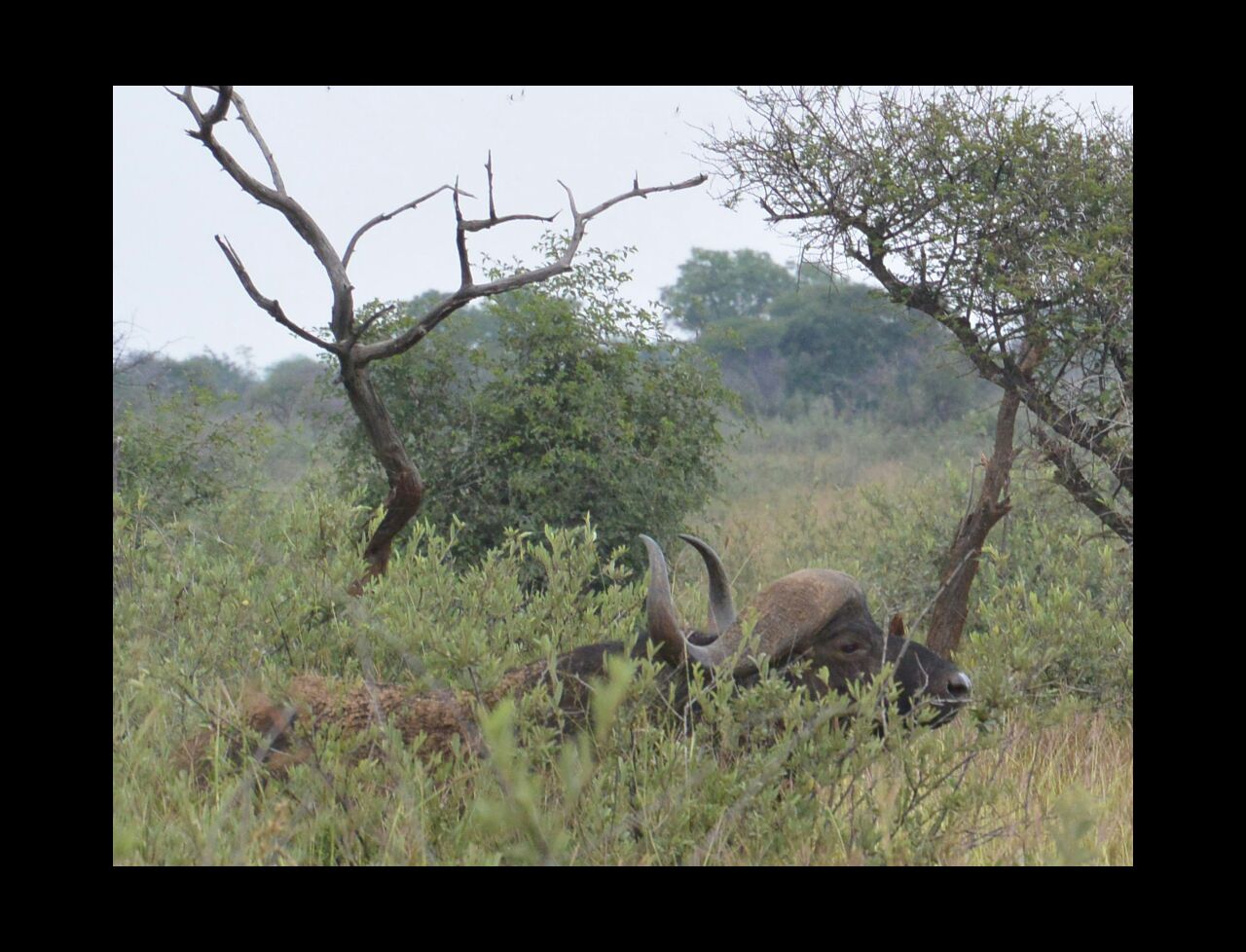
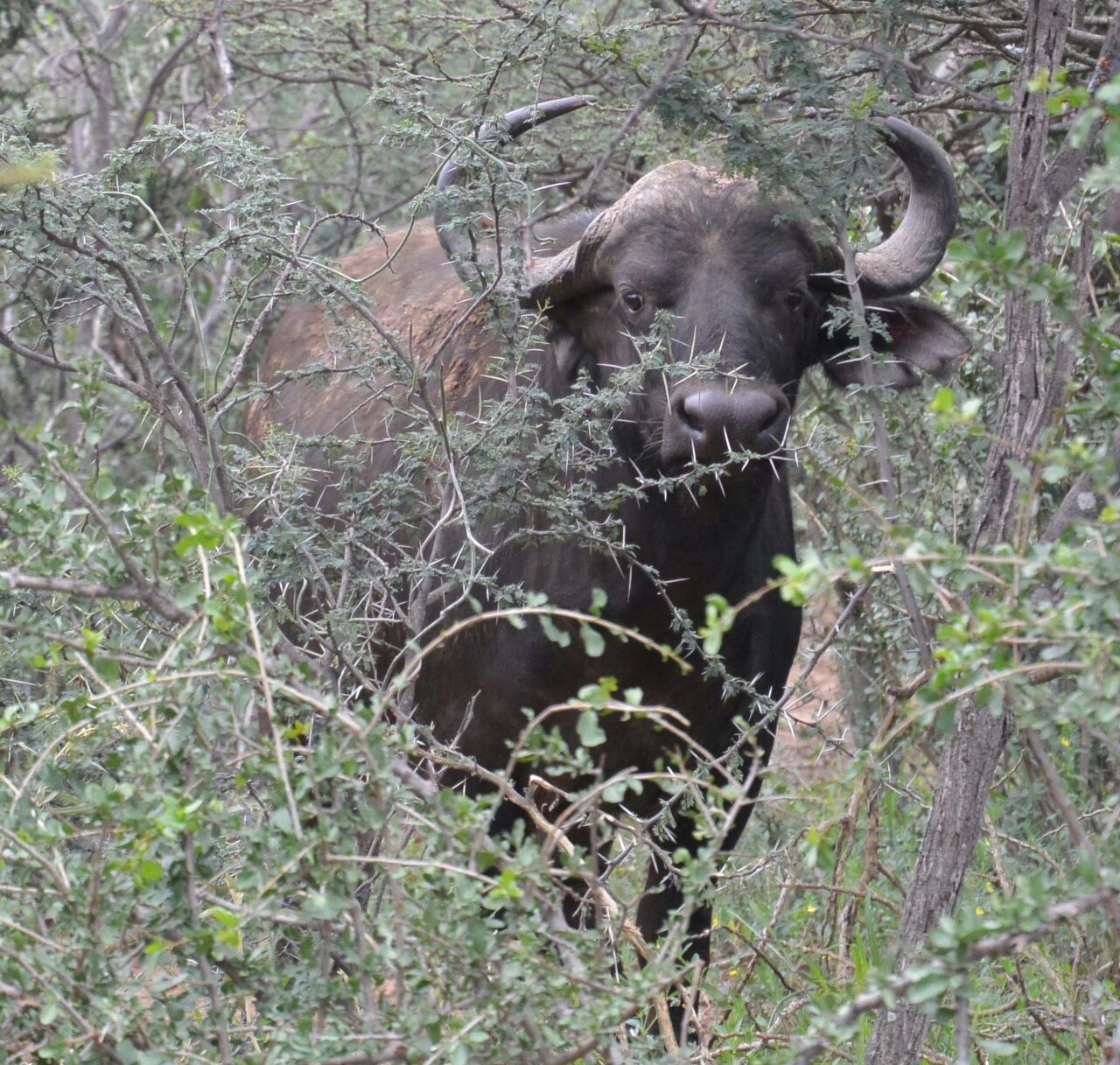
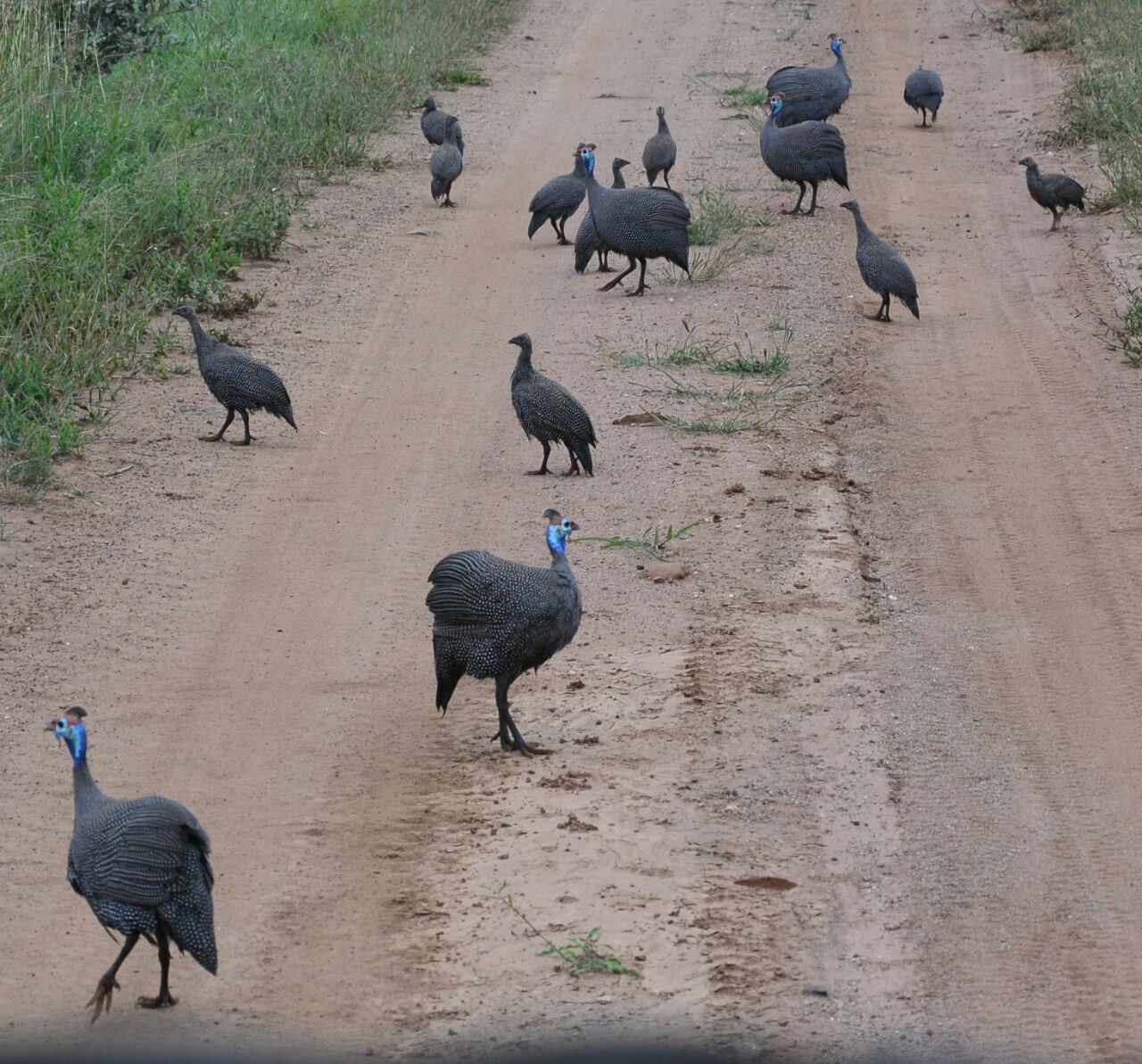
Next we spot some water buffalo hiding in the shrubs, they are rather elusive, but we see a few staring back at us through the thicket. Blue guinea fowl are strutting down the road, the blue necks are a striking colour.

We drive through one area of the reserve which is dotted with termite mounds and a mass of cobwebs strung from every bush. It reminds me of something out of a horror movie, not somewhere you would want to be stranded.

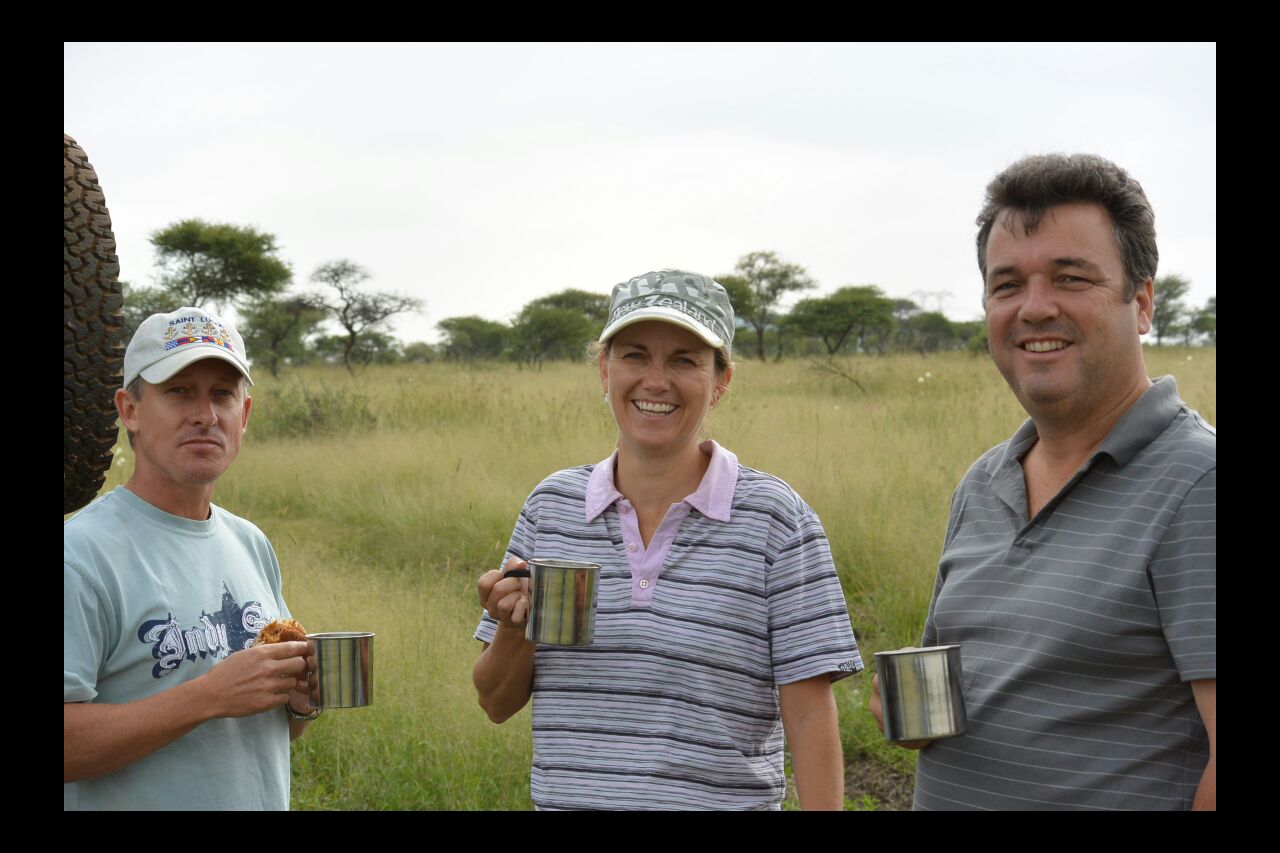
We drive down to a more open area and stop for coffee and muffins, as well as rusks (rock like biscuits that Sth African’s love, probably because they could never go stale).

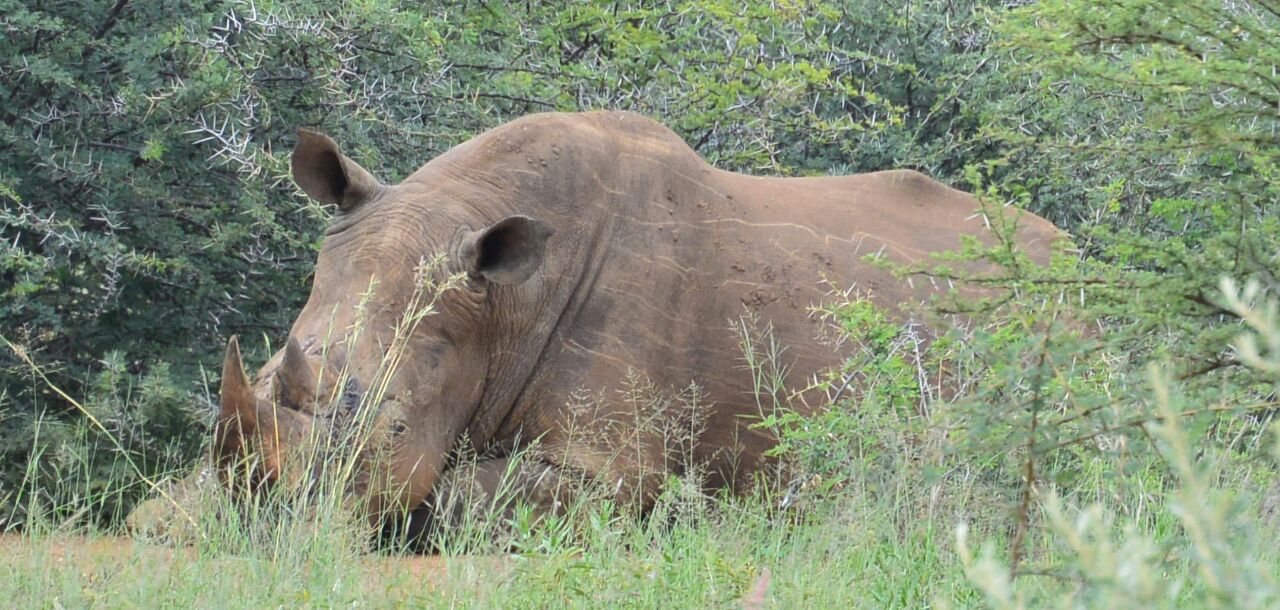
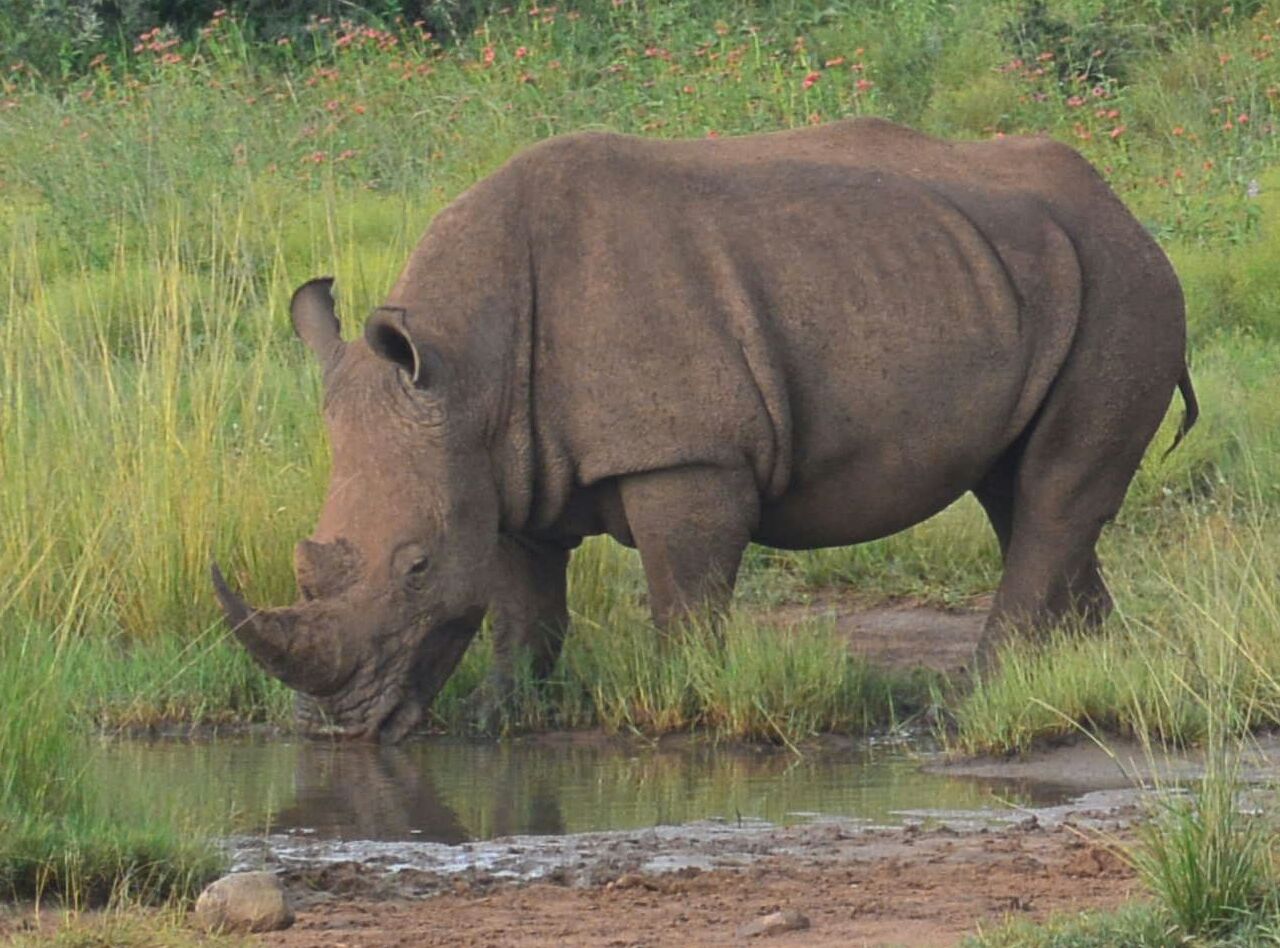
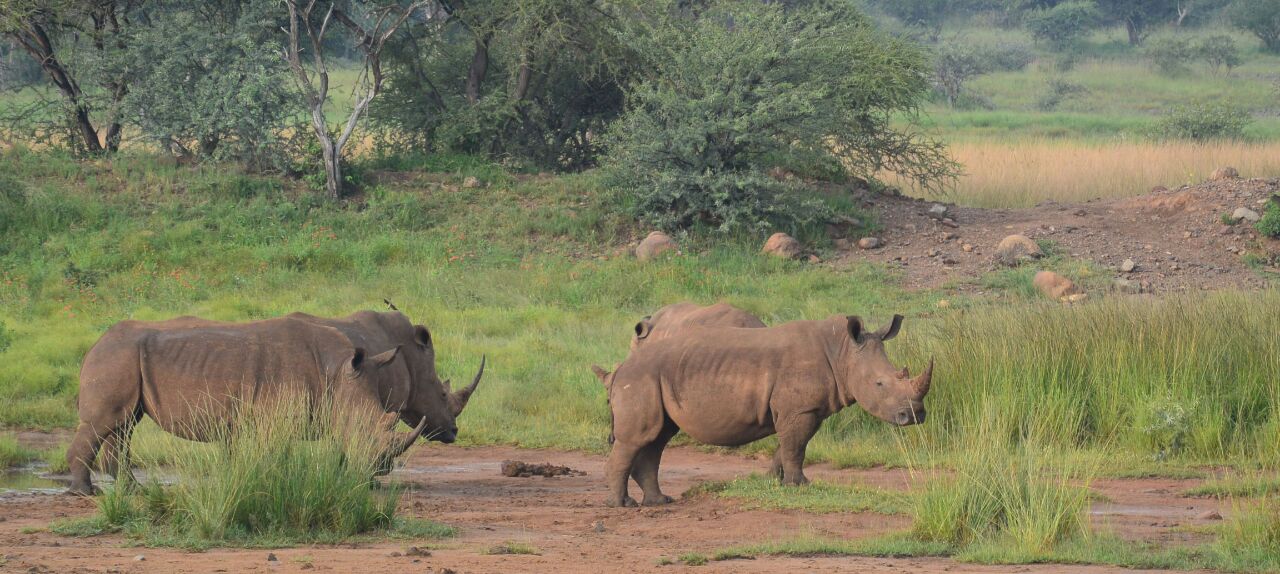
As we head back into the thicker part of the bush we spot a Rhino having a nap, there are only 12 or so Rhino in the park and they are at the mercy of poachers who kill the animals to steal the horns. These end up on the black market in Asia, where they believe it is an aphrodisiac.

Sadly, a Rhino had been killed by poachers only the week before. If they don’t stop this barbaric and pointless killing, we will see the extinction of the Rhino in our lifetime. We are fortunate to see a number of them over the weekend.

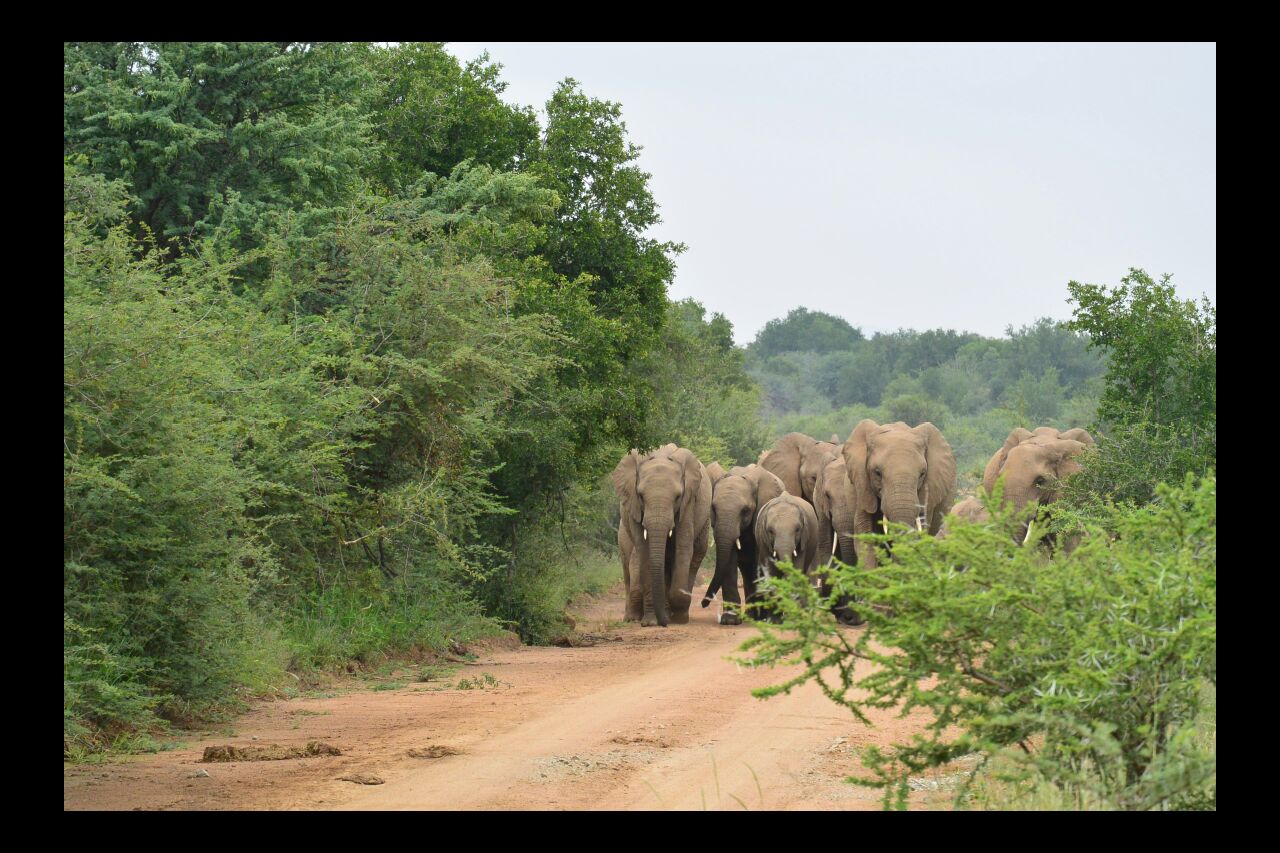
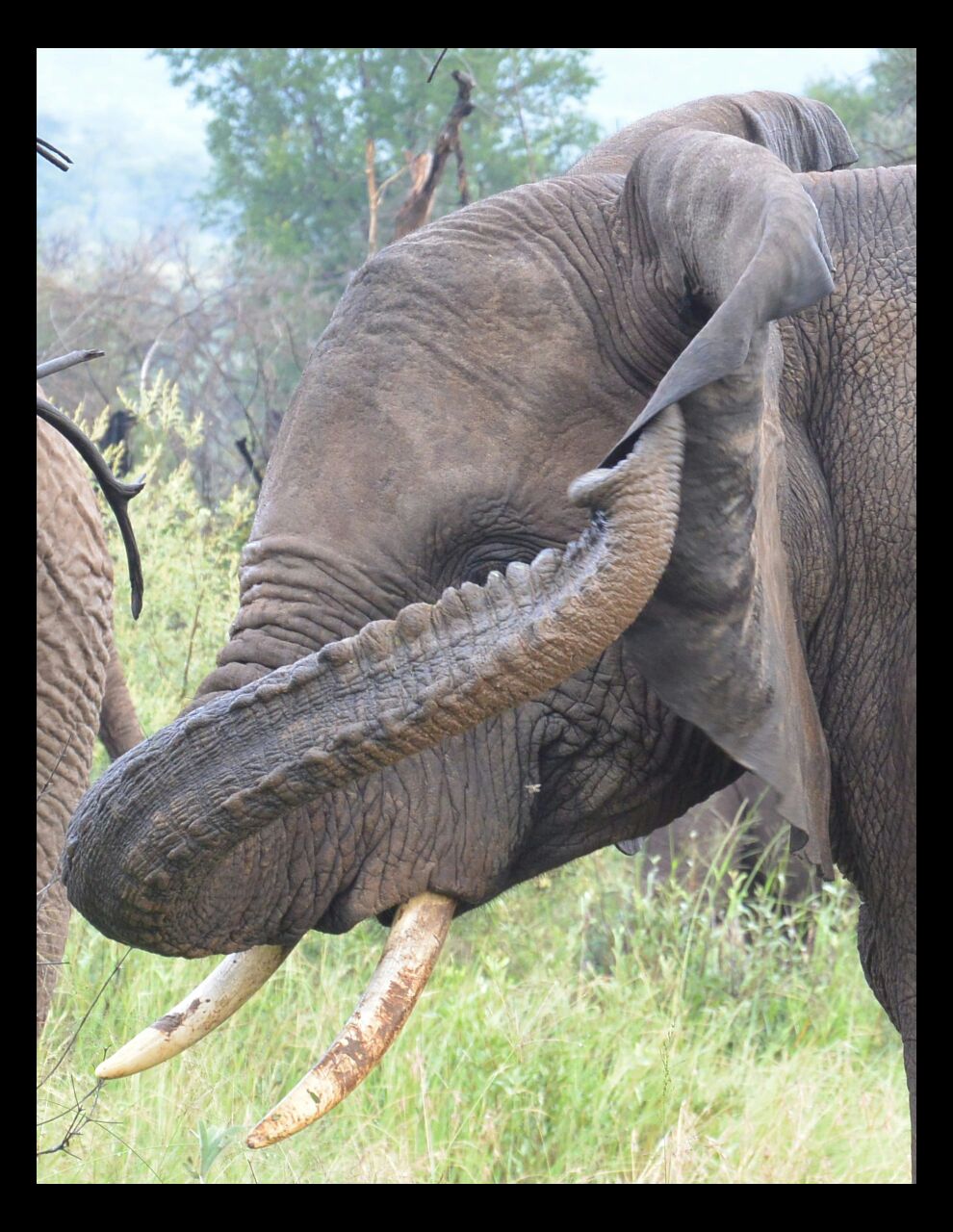
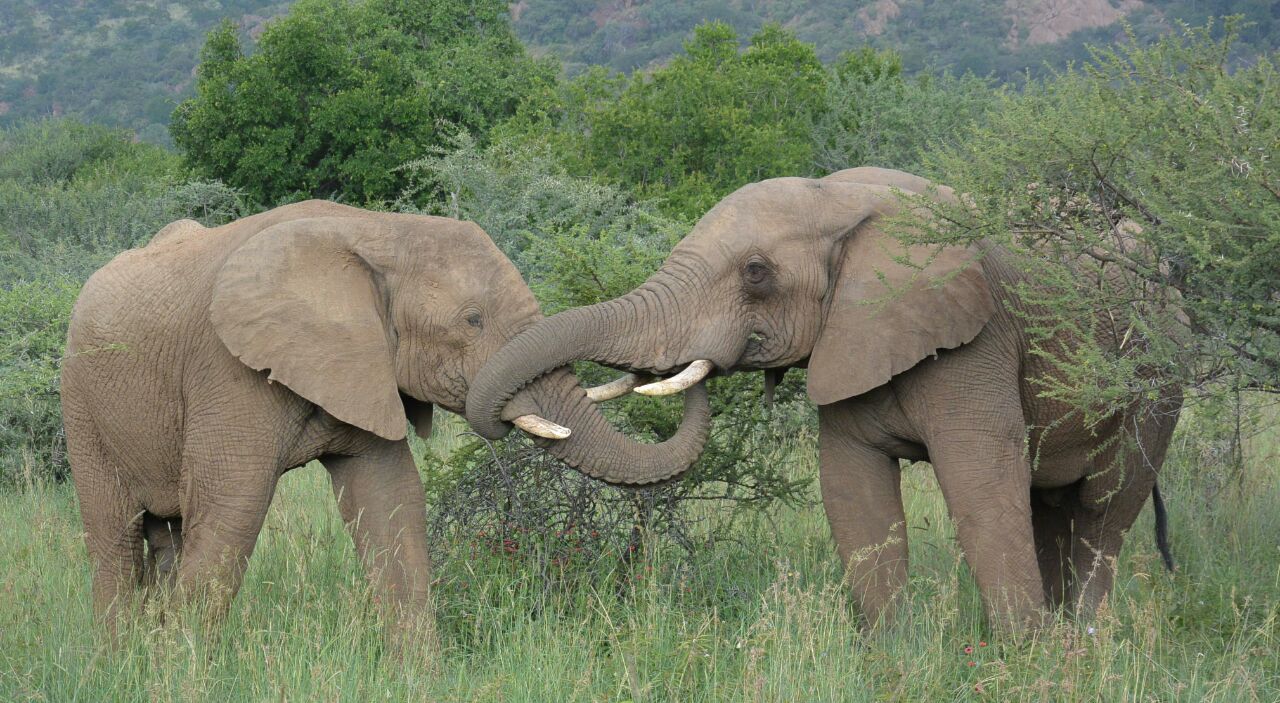
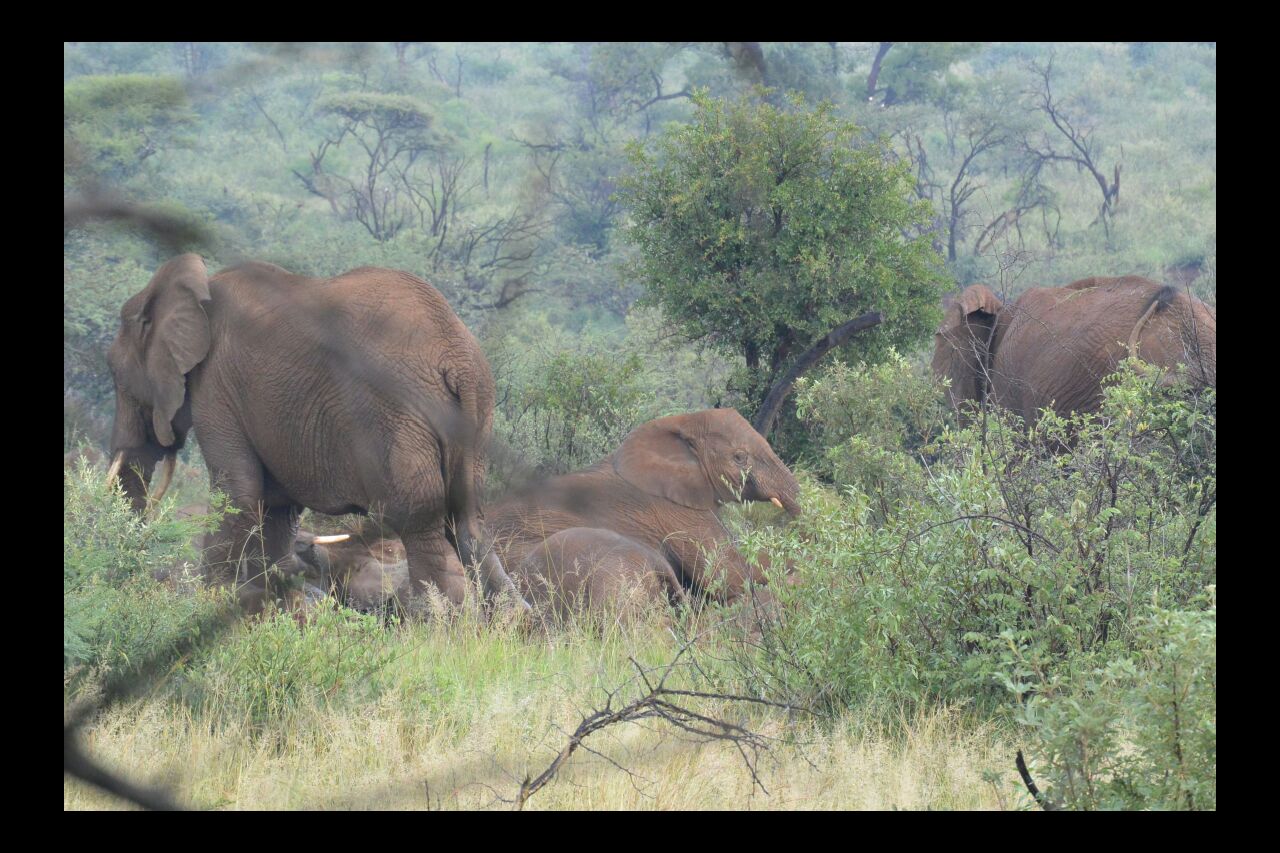
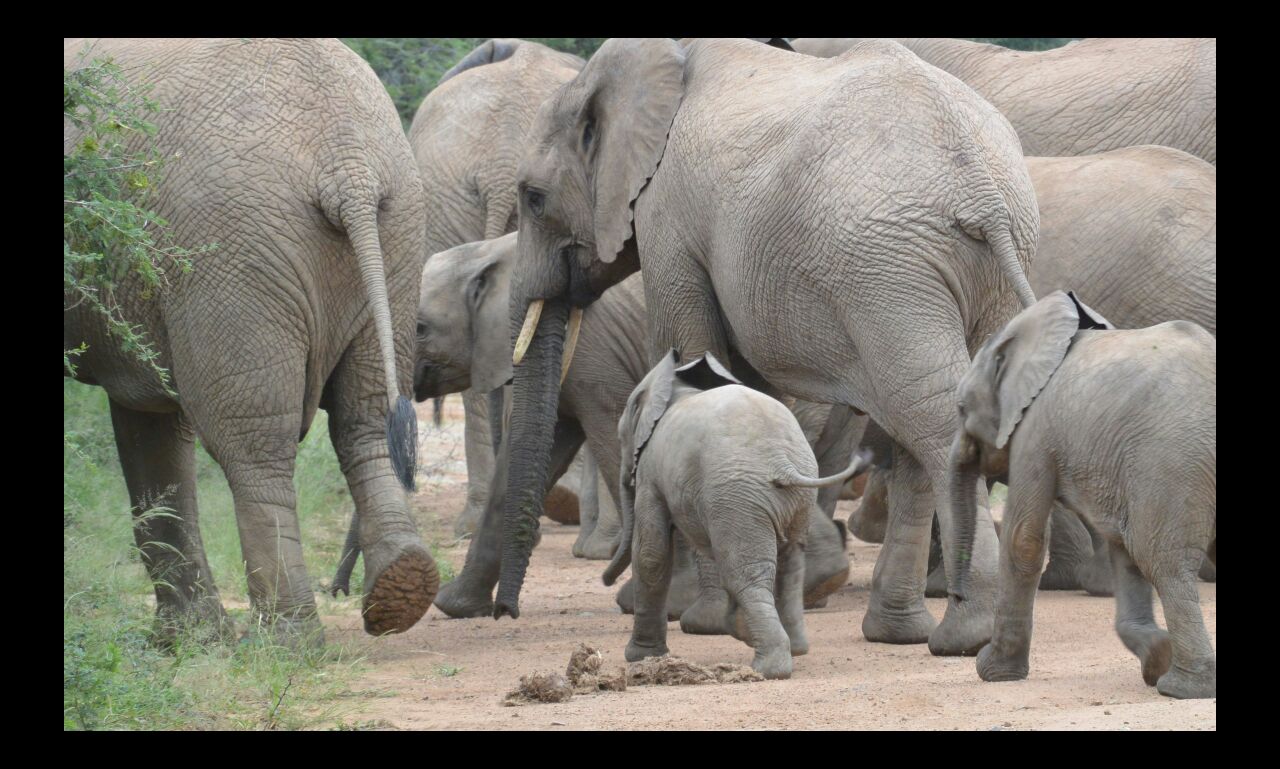
One of the highlights, possibly the highlight of the weekend, is when we come to a cross road and looking to our right we see a herd of elephants making their way down the road, we stay put and they keep coming.

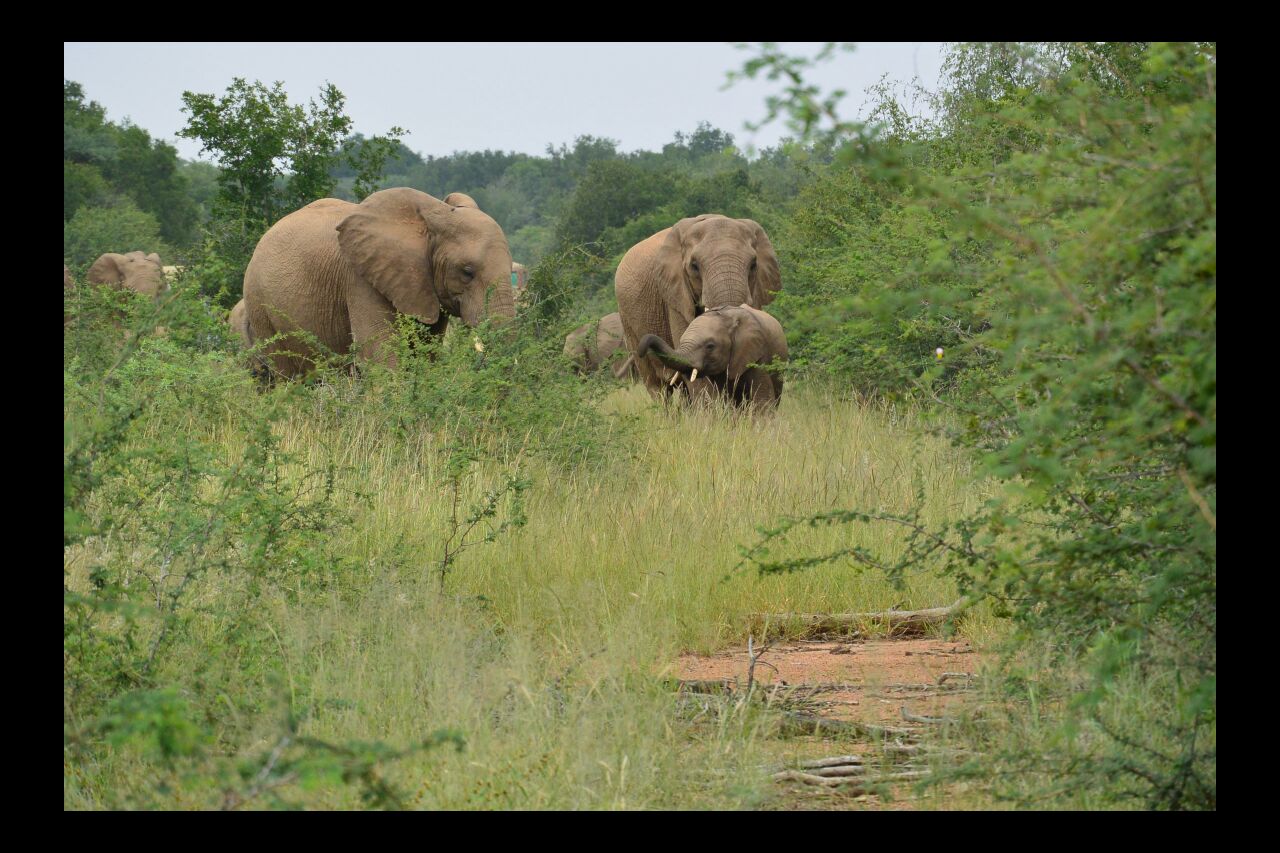
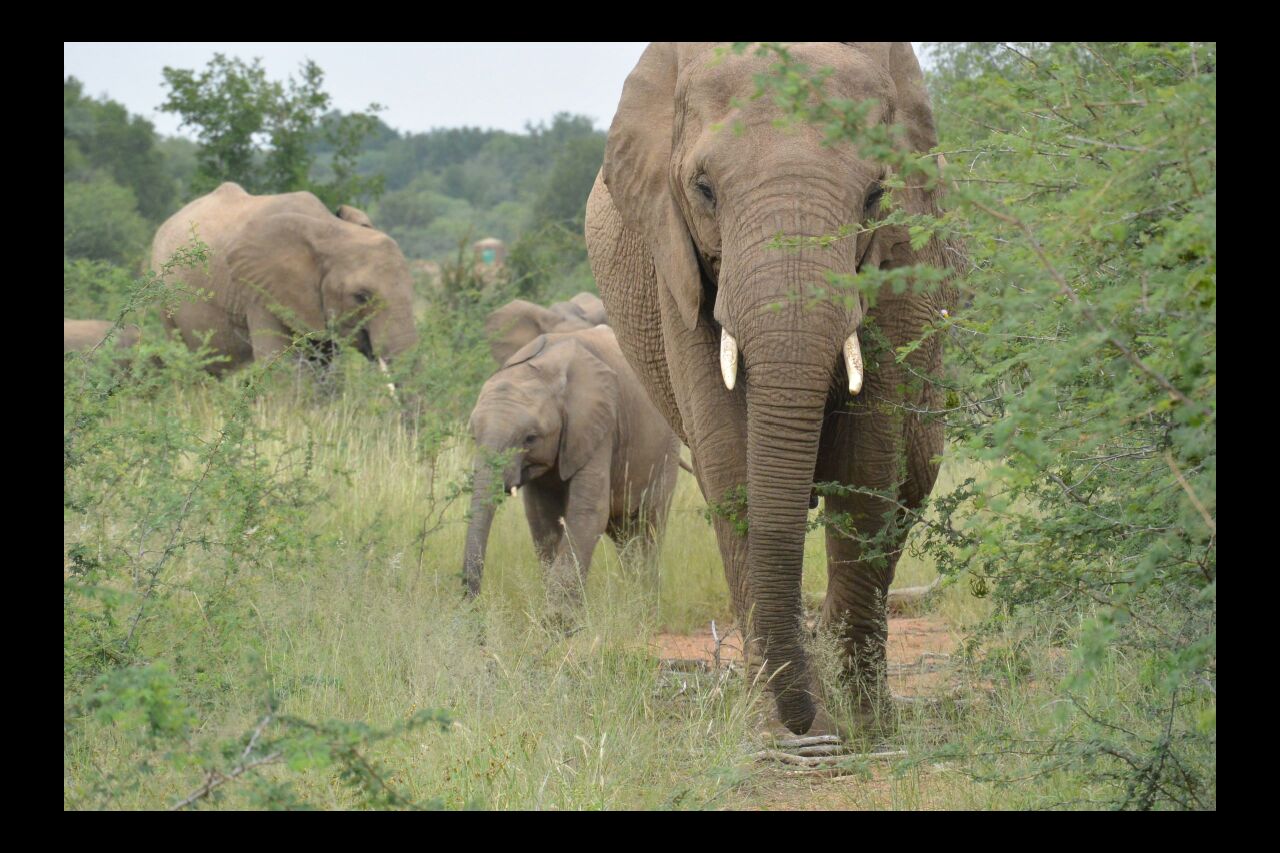
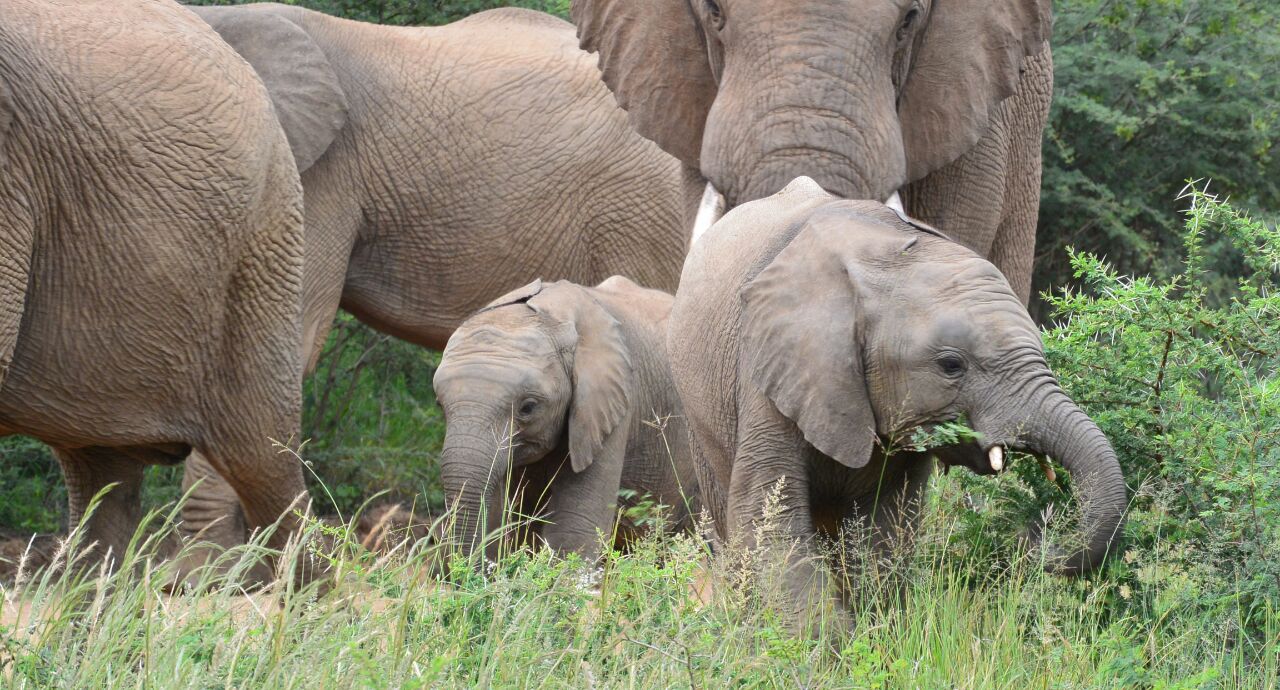
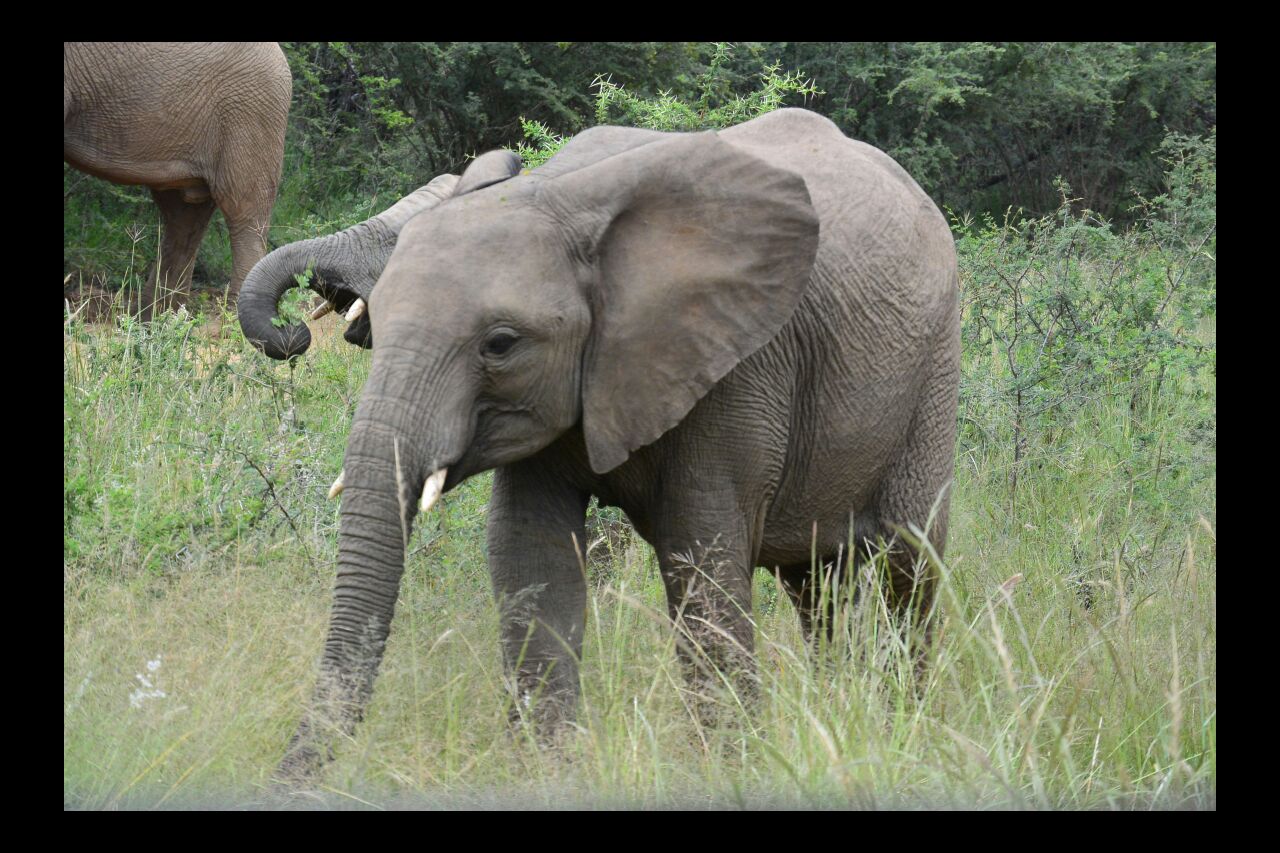
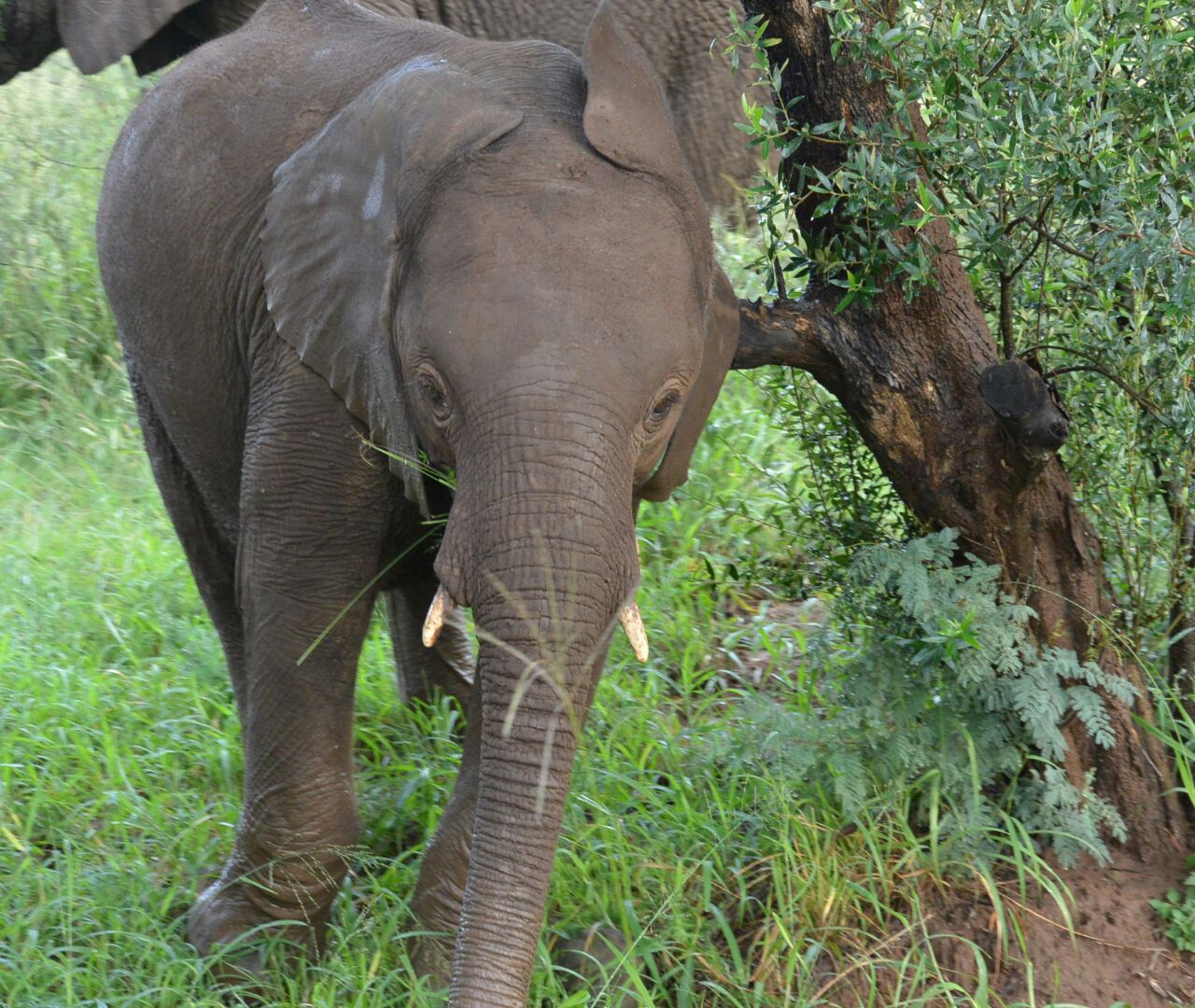
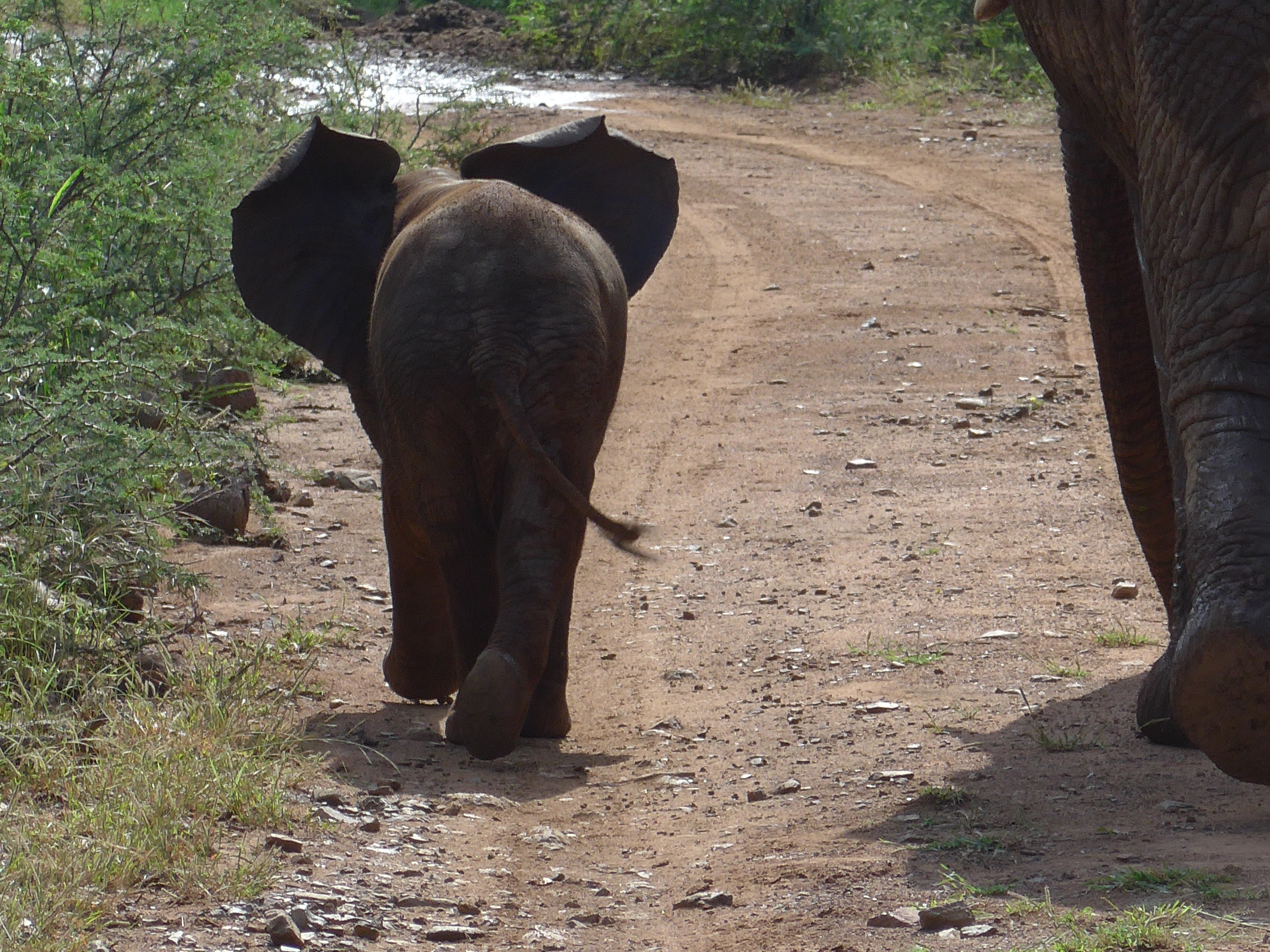
Humbu keeps us at a safe distance, but like the Impala, they seem unconcerned by our presence and we are in awe by how close they come. There are a number of baby elephants, which are adorable. They are unsteady on their feet and seem to trip over their trunks. Mothers keep a watchful eye on them as they wander around, often ensuring she is between our vehicle and her baby.

We watch them rip up the grass, tear branches off trees and leave behind a trail of destruction (and lots of elephant poop), as they continue past us, melting into the bush. It is remarkable how quiet elephants can be.

The daily ritual is: 7am morning drive, which includes a coffee stop, return for cooked breakfast, relax by pool or nap, lunch around 2pm which of course is accompanied by a cheeky rose, or two.

At about 4pm we depart for an afternoon drive which concludes with ‘sundowners’ (G&T’s, beer, etc) parked somewhere in the reserve watching the sunset. True to African brochures the sunsets are spectacle of vivid red, orange and pinks.

Back to the lodge for dinner and of course more drinks. I quickly realise that this is not going to be the weight loss part of the holiday and I can already feel my pants getting tight. I could write pages on our time at Black Rhino, it was a wonderful weekend and we were extremely lucky with the range of animals (& birds) we got to see.

We will probably never be able to repay the Browns for their generous hospitality (look forward to trying). Enjoy the photos (I took over 800 so lucky for all of you it takes too long to load them all)!

Johannesburg

Our first stop on the world tour is Johannesburg and we are spending a few days with the Beckett-Browns; Mark, Alison and Jayden, (Sacha is at boarding school, but we will see him on our way back through). 

Alison had organised a Soweto tour, but as is typical in Africa they fail to turn up!  They confirm after the fact for the following day (which won’t work for us), TIA (This is Africa) explains Alison, they work to their own schedule and own rules.

Never mind; we spend the day with Ali running errands, picking up Jayden from school and then attending the evening at his school fund-raiser. 

One of the activities is to buy a paper plate which the kids place on the school oval and then as its getting dark sky divers swoop in and land, the plate they land on wins.  I am sure we would never be allowed to do something like that on a Melbourne school oval!

On arrival into Joburg we got the Gautrain from the airport to Sandton, the business district for Joburg.  It became so unsafe downtown that Corporations couldn’t get people willing to work in the area, so they moved operations out to Sandton. 

Even the stock exchange moved here! You could be in any modern city in the world. Buildings are branded with recognisable corporate logos and high-end retail advertising. What you don’t realise is that only a few kilometers away are townships living in very different conditions.

The most prominent feature is security; barbed wire, often electrified security fencing surrounds every home in the areas we drive through.  Armed robbery, carjacking and break-ins are common occurrence. 

You are warned not to keep anything visible in the car. Ali places her handbag under her seat when driving and our luggage is locked in the boot. 

When you leave a car park, a guard stops you and asks that you stop the engine and restart the car, this is to check that you haven’t hot wired it!

It’s a long weekend and we are heading off to a private game reserve near Sun City which boarders the Pilanesberg National Park and spend the morning shopping and packing. 

Alison and I head to the Supermarket, I couldn’t help but put my ‘Coles hat’ on, but as I am on holiday I will only comment on 2 things that stood out: all fruit and veg is pre-packed, very few products you could select and pack.

The aisles are immaculate, every item is perfectly placed. When the base hourly rate starts at R9.30, equivalent of Aus 93 cents, you can see how they afford to keep the shelves in perfect condition.

As we leave with two trolleys loaded up (enough to feed a small army), there are people eager to assist to take your trolley to the car and unload for just a few Rand.

With 25% of the population unemployed and many who do work earning well below the cost of living, the Brown’s teach us that identifying opportunities to allow people to earn a living and support the local economy is important. 

Where  I might have felt embarrassed using their services I can now understand how important it is to help South Africa grow.  One more somber fact is that 40% + of deaths are HIV related.