Skip to content

Posts tagged ‘Panama’

Hasta La Vista South America

Tick (√) off the list a tiny portion of Central/South America.

93 days spent exploring a little bit of: Costa Rica, Panama, Bolivia, Peru and Ecuador.

Which required a total of 11 flights – way too many!

The Highlights:

  • We’ve woken to Howler Monkeys and the crashing surf in Costa Rica.

    Bocas del Torro

    Bocas del Torro

  • Been serenaded to sleep by nature in cloud forests.
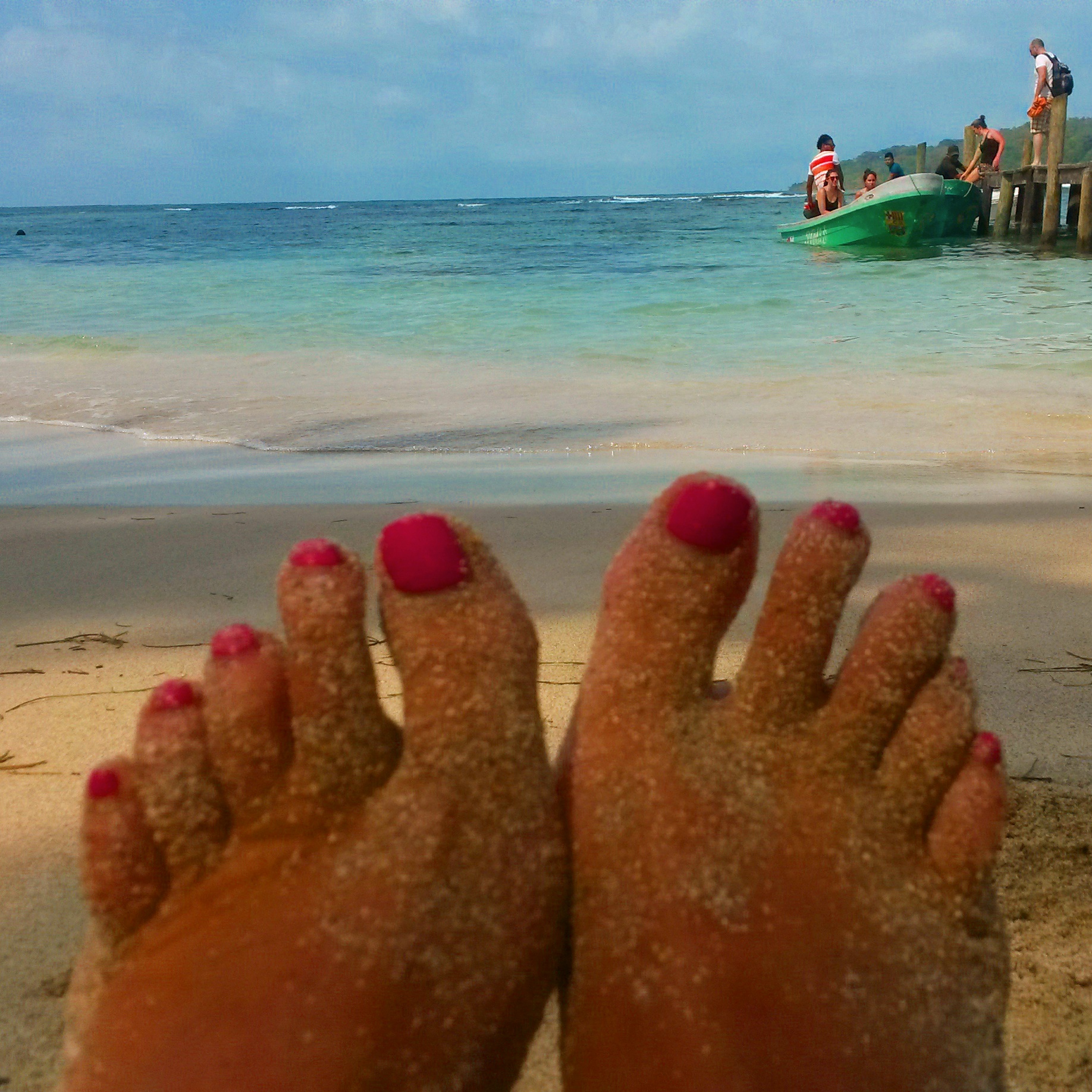
  • Soaked up the sun on the islands of Bocas del Torro.
  • Watched huge tankers navigate the Panama Canal.
  • Been charmed by the bowler-hat wearing Bolivians and the brightly dressed Peruvians.
  • Explored the ancient trails of the Incas and the mystical ruins of Machu Picchu.
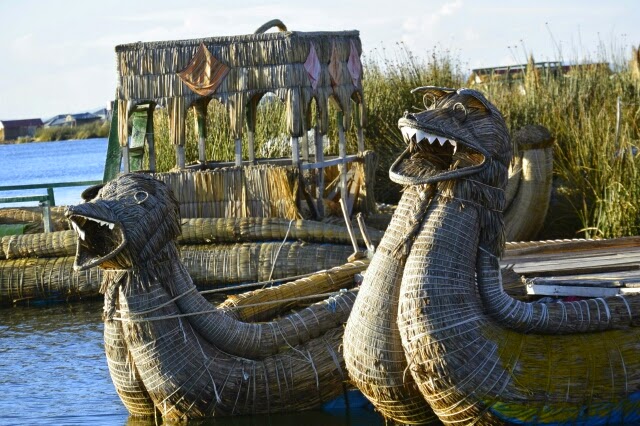
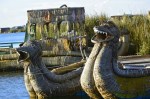
  • Uros Village Lake Titicaca

    Uros Village Lake Titicaca

    Visited the Amyara people of Lake Titicaca and trekked the Island of the Sun.

  • Soared over the mysterious Nazca Lines.
  • Immersed ourselves in the wild beauty of the Amazon Jungle.
  • Ridden horseback to the Quilotoa Crater.
  • Swam with sea lions and turtles. Marveled at the marine life in the Galápagos.
  • Visited remote villages and islands of just a few hundred to major cities of millions.
  • Had the privilege to catch a brief glimpse into the culture and lives of the people.

You know you’ve spent too much time in South America when you:

  • wpid-zoom.jpgautomatically look for the bin to put the toilet paper in.
  • alway have spare toilet paper on you and use it regularly.
  • turn the shower on and wait 5 minutes before you even consider checking to see if it’s hot yet.
  • stop noticing the foul taste UHT milk has in coffee.
  • don’t expect the hotel to have a lift.
  • expect your room in the hotel to be on the top floor.
  • anything below 3,000 meters doesn’t count as ‘altitude’.
  • start to realise you understand the person rattling off in Spanish.
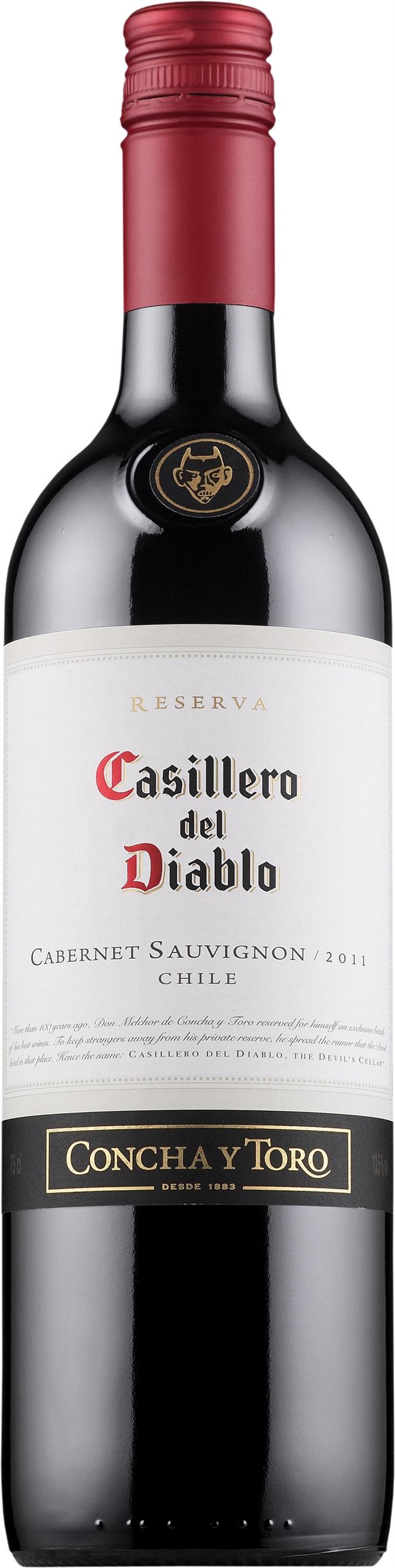
  • think Casillero del Diablo is a reasonable red wine!


This slideshow requires JavaScript.

Panama

Panama city is an interesting mix of spanish colonial architecture back-dropped with modern high-rises and surrounded by urban slums

Whilst I would say the city is not the most exciting place to spend a week, we manage to keep ourselves occupied.

We found a lovely one bedroom apartment in Amador Heights through Pattys Casitas. The apartment was in a great location, easy access to everything via taxis, which are cheap.

Included in the apartment are two bikes, so we cycled along the Amador Causeway , which links four small islands. The causeway was built as a breakwater from rocks excavated during the building of the canal.

In 1671 the original Spanish settlement of Panama Viejo was destroyed by pirates.  As a result they moved to a more defendable location called San Felip, now know as Casco Viejo.

The old town of Casco Viejo shares similar spanish colonial architecture with Old Havana, Cuba.  Likewise, both had been left to decay into urban slums.

Now, like old Havana, Casco Viejo is undergoing significant restoration to return the town to its former glory.  Casco Viejo is small in comparison and renovation work is going on at a frenzied pace.

The cobblestone streets, spanish mansions and iron lamp posts are a stark contrast to the conglomeration of high-rises looming across the bay. You could easily mistake yourself for being in Dubai, or Hong Kong.

Further contrast are the urban slums bordering Casco Viejo. We lock the taxi doors as we drive through and Patty had warned us to not walk through these neighbourhoods.

Reprosa is a local jewelry business making replicas of ancient huacas; sacred ornaments handcrafted in pre-Columbian times.

Using the traditional techniques of the ancient goldsmiths, casting pieces in gold and silver.

Our private tour with Monica starts with a history lesson and a traditional drink consisting of Guava and Pineapple juice with a dash of rum. It was an interesting tour and included some retail therapy in the factory gift shop.

Within walking distance of our apartment was the Frank Gehry Biodiversity Museum. A US$90 million project, it opened in 2014. Acclaimed as an architectural triumph, I’d say the Guggenheim in Bilbao is more impressive.

wpid-teddy_roosevelt.jpgWe are tempted to purchase a Panama Hat, only to discover they are in fact made in Ecuador.

The name was coined when President Roosevelt was photographed wearing the hat he had been given on a trip to inspect the Canal. The media referred to it as his ‘Panama Hat’ and so the name began. We might wait until we’re in Ecuador.

Of course, the main attraction of Panama City is one of the 7 wonders of the modern world, an incredible engineering accomplishment – the Panama Canal.

A few interesting facts:

  • The Canal was originally conceived by the French in 1882 – they went broke and lost over 20,000 lives trying to dig their way through.
  • The Canal Zone was acquired by the United States under a perpetual lease in 1904 and American engineers proposed the lock system.
  • The three locks in the canal raises a ship 26 meters to the man-made Gatun Lake.
  • There is a 20cm difference between the Atlantic and Pacific sea levels, the latter being the higher.
  • The first ship passed through the canal in September 1913.
  • The length of the Canal is 82 km, on average it takes 8-10 hours to navigate end to end.
  • About 40 ships pass through the canal daily.
  • The average toll paid per ship is between US$300K to $400K (around $5 billion per year).
  • President Carter signed a treaty in 1977 to give Panama control of the Canal.

And there ends our week in Panama City.

This slideshow requires JavaScript.
It could be paradise…

Bocas is a hidden gem.

It’s one of those places I really don’t want to tell you about, for fear of encouraging people to visit.

Though, it’s probably not under threat, because it’s not all that easy to get to.

We flew in a little 18 seater twin-prop from San Jose, directly onto Isla Colon, scattering the crabs infesting the runway, as we land.

Nature Air allows 40 lbs (18 kg) each of check-in and 10 lbs (4.5 kg) for carry-on. There is also a maximum passenger weight: if you exceed 250 lbs (113 kg), which I think we are safe on, you must purchase an additional ticket.

We had fastidiously packed in the morning to ensure we avoid paying excess baggage charges. Don’s wearing his ‘heavy’ items; jeans, chunky shoes and is ready to add layers if required to reduce luggage weight.

We needn’t have worried. Our check-in baggage is under the limit and they weigh us holding our hand luggage; as long as your total weight doesn’t go over the 250 lbs they’re not concerned.

This is an international airport and as small as it is, they even have a resident sniffer dog. Once he’s checked over the luggage he goes back to playing catch with his handler.

It’s a short ride to the dock at Bocas Town. Here we jump into a water taxi for a $2 trip across to Isla Carenero.

From the dock at Bocas we can see across the water to our accommodation; the brightly painted blue and white, two story clapboard house. It sits on stilts over the clear tropical waters of the Caribbean.

The water taxi drops us off on the private jetty of Casa Acuario.

Our room is the cheapest of the 7; the one at the back, but it’s lovely bohemian-style luxury.  Luxury for us, that is.

A large room with an eclectic array of furnishings, more importantly an air-conditioner, ceiling fan and our own bathroom (of course).

When I clean my teeth, I can see straight down the drain to the water below. The shower is the same. We inspect the toilet plumbing, just to make sure it doesn’t go the same way – with relief, we can see it leads to the septic tanks.

Casa Acuario is comfortable, convenient and has good WiFi.  It was lovely being over the water, listening to the lapping of the sea. Each morning there is a pot of coffee for guests, though, like most places, fresh milk is not on the agenda, so we bought our own.

Long-life milk is one of Don’s pet hates. So much so, that we order a latte at a cafe on Bocas and he goes and buys them fresh milk to use.

Most afternoons it rains, a torrential down pour which continues through the night. The wet season has arrived early and the first few days were dreadful (though I used the time to catch-up on the blog).  We considered leaving early, but persevered and the weather did get better.

The original plan was to move from island to island, the Bocas del Toro archipelago consists of 9 main islands. From what we seen of Isla Colon and Isla Bastimentos we decided we couldn’t improve on where we were.

The further away from Isla Colon you go, the less infrastructure there is. Most of the outer islands don’t have a lot of accommodation options aside from luxury resorts.

Isla Carenero exudes an idyllic chilled back vibe. It has the right balance; a few places to eat and a short stroll to a beautiful palm-shaded beach. And, we can easily pop across to Bocas for more dinner options and supplies.

The variety and quality of restaurants was surprisingly good, especially the fresh seafood; ceviche, snapper and octopus.  No lobsters though, or there shouldn’t be!

Due to over fishing, there has been a significant depletion of lobster in the area.  There is a seasonal ban from March to June, in the hope of giving them some breeding space.

A popular spot in Bocas Town is Raw Fusion, a sushi bar which we visit for happy hour one evening.  Aside from feasting on the daily specials, which included sweet chili chicken, tempura calamari and octopus ceviche, we chatted with the couple at the table next to us.

Bill and Kelli are a fun and inspiring pair.  They’ve recently moved from Colorado to Costa Rica with their 3 children.  The youngest, only months old, was born there. They previously lived in Romania for two years, working with orphaned children.

They are the sort of couple who are going to ensure life is full of adventure, not afraid to do something different. I hope we cross paths with them again.

Red Frog beach is one spot that people raved about and while it’s lovely, we preferred the beach on Carenero.

The Bocas locals are friendly and happy people, the children wave and shout “hola”.  A pair of cheeky young boys accept Don’s to help them climb a tree to pick fruit.

But, as idyllic as Bocas del Toro appears, there is a down side; it’s the rubbish.

Circumnavigating the island one day, we walk through the squalor, poverty and filth the locals live in.  It’s no different on the other islands.

These islands are not unique. It’s a sad reflection on many parts of the world that lack the concern, motivation and the resources to deal with the issue.

Resort owners, researchers (looking at the damage to the reef) and environmentalists are voicing concerns, the government does not seem to be listening.

I hope it does before it’s too late; this place could be paradise.

This slideshow requires JavaScript.